Shinise
Japan possesses a near-monopoly on the world's oldest continuously operating businesses, known as shinise (老舗). By prioritizing the preservation of the family name (ie), maintaining hyper-focused core competencies, and utilizing strategic adoptions to ensure capable leadership, ancient Japanese enterprises have achieved corporate longevity that spans over a millennium.
The Phenomenon of Shinise
Shinise refers to traditional Japanese businesses that have operated for generations. The sheer volume of these ancient companies in Japan is unparalleled globally. According to a study by the Bank of Korea, of the 5,586 companies worldwide that have survived for more than 200 years, 3,146 (over 56%) are located in Japan.
Unlike modern Western corporate frameworks that prioritize rapid expansion and quarterly shareholder returns, shinise operate on a philosophy of steady continuity. They prioritize the local community, loyal employees, and the uncompromising quality of a highly specialized product or service. Most of these companies remain small, with the vast majority of centenarian companies employing fewer than 300 people.
Nishiyama Onsen Keiunkan (The World's Oldest Hotel)
Located in a remote mountainous valley in Yamanashi Prefecture, Nishiyama Onsen Keiunkan holds the Guinness World Record for the oldest hotel in the world.
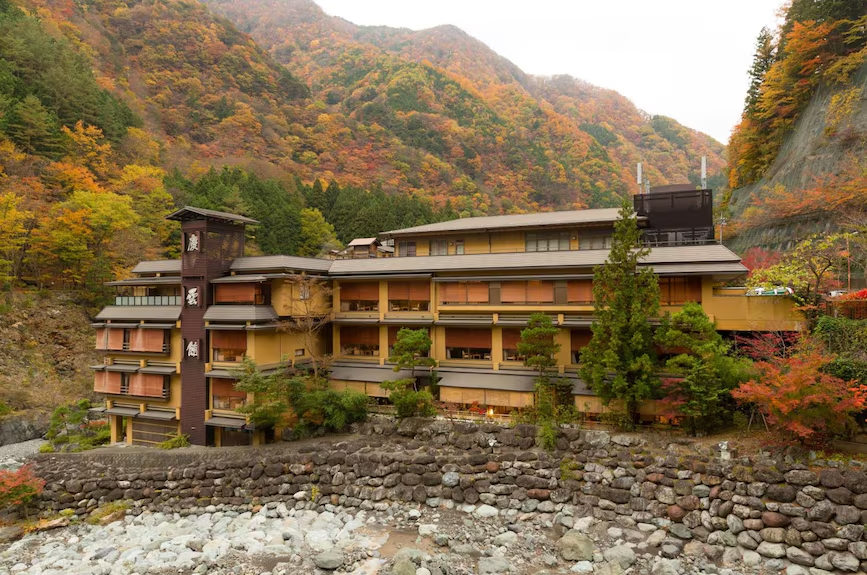
Historical Milestones
-
Founding: The traditional ryokan was founded in 705 AD (during the Keiun era) by Fujiwara Mahito, whose father was an aide to Emperor Tenji.
-
Legendary Clientele: Over its 1,300-year history, the secluded hot springs have hosted renowned samurai warlords such as Takeda Shingen and Tokugawa Ieyasu.
-
Unbroken Lineage: The inn has been managed continuously by over 50 generations of the exact same family.
A major factor in Keiunkan's millennia of success is its natural monopoly. The ryokan sits on top of a highly active natural hot spring that pumps 1,600 liters of water per minute. This irreplaceable natural resource ensured that demand for the inn never completely dried up, regardless of the historical era.
Genda Shigyō (Kyoto's Ancient Paper Masters)
While construction and hospitality often dominate lists of old companies, Genda Shigyō (Genda Paper Company) represents the enduring nature of traditional Japanese crafts.
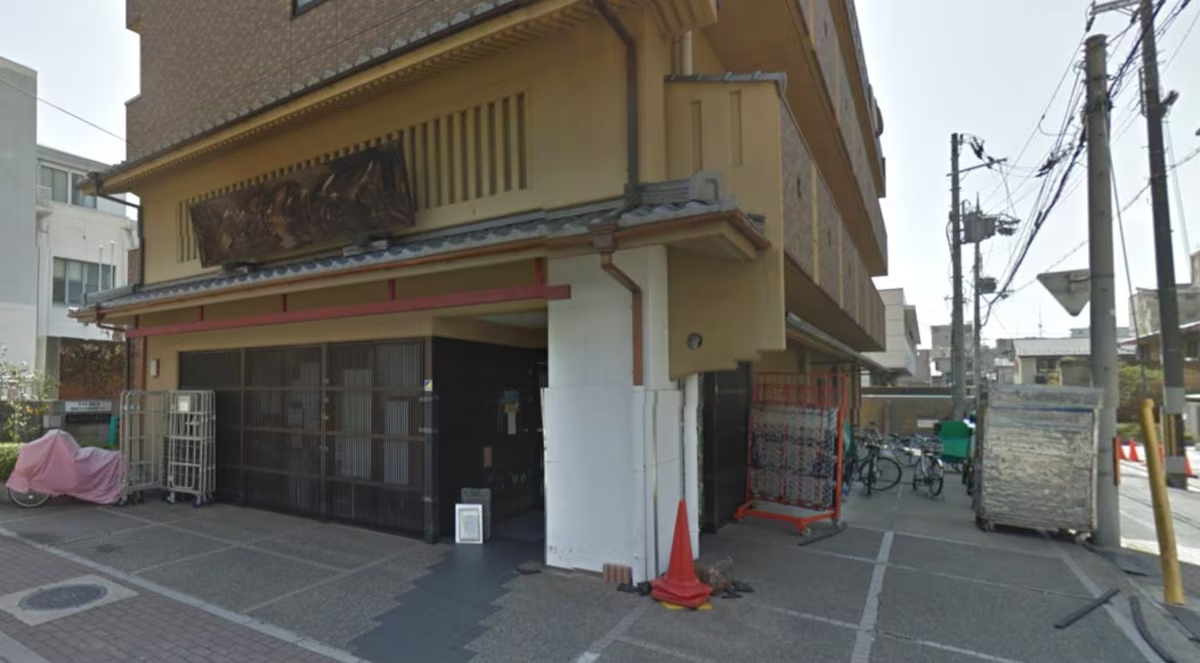
Centuries of Ceremonial Craft
-
Founding: Genda Shigyō is said to have been established in 771 AD during the late Nara Period.
-
Relocation with the Emperor: When the Japanese capital was moved to Kyoto in 794 AD, marking the start of the Heian Period, Genda Shigyō moved with it to continue serving the elite.
-
Core Product: For centuries, the company specialized in mizuhiki—decorative, multicolored cords made of twisted paper. These cords are tied around cards and gifts for major life events, such as weddings and funerals, with specific colors denoting auspicious or inauspicious occasions.
-
Evolution: The company held exclusive rights to supply mizuhiki to the Imperial Court during the Meiji period. Though the business officially incorporated in 1986 and diversified slightly into printed paper goods, it remained anchored to its 1,200-year-old foundational craft.
Ichimonjiya Wasuke (Mochi for a Millennium)
Often referred to simply as Ichiwa, this traditional Kyoto teahouse demonstrates how hyper-specialization and religious proximity can sustain a business through famines, wars, and pandemics.
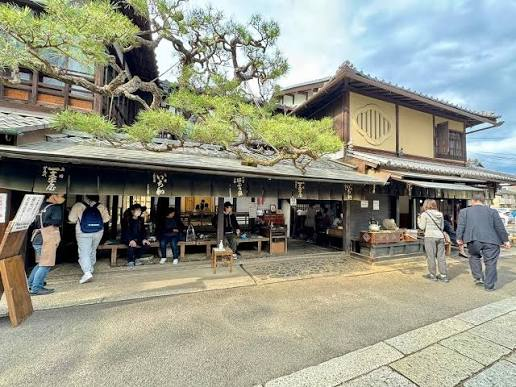
The 1,000-Year-Old Menu
-
Founding: Ichiwa was established in 1000 AD to serve refreshments to pilgrims visiting the adjacent Imamiya Shrine in Kyoto.
-
The Ritual Origin: During a period of famine and plague, the shop began roasting rice cakes on bamboo skewers and serving them to shrine-goers. It was believed that eating these blessed cakes would protect the consumer from disease.
-
The Menu: For over a thousand years, Ichiwa's menu has consisted of exactly one item: aburi-mochi (roasted rice cake coated in a sweet white miso sauce and kinako powder).
-
Adaptation: The business is run by the 25th generation of the Hasegawa family. While they now use a machine to pound the rice and rely on municipal water instead of their medieval cellar well (due to modern health regulations), the core product and family stewardship remain entirely unchanged.
"In most of the world, a company is a once-in-a-lifetime entity... In Japan, when the head of a family dies, the eldest son inherits the rights and duties by himself. For this reason, the eldest son inherits the family business, which is the economic foundation... That's why the company continues for generations."
The Strategic Secrets to Longevity
How do these lesser-known entities survive for a millennium when the average modern corporation lasts less than 20 years?
-
The Concept of Ie (Household): The business is not an asset to be liquidated for profit; it is a sacred lineage. The survival of the family name and the preservation of the craft supersede all individual ambitions.
-
The Practice of Mukoyoshi (Adult Adoption): To prevent an incompetent biological heir from ruining the legacy, shinise families routinely adopted highly capable adult men—often standout employees or promising businessmen—into the family. These men would marry into the family, take the family name, and assume leadership of the company, ensuring a strict meritocracy disguised as traditional lineage.
-
Hyper-Focus (Refusal to Diversify): Whether it is Ichiwa selling only one type of mochi for 1,000 years, or Genda Shigyō focusing purely on ceremonial paper, shinise do not aggressively chase new markets. They master a single domain and ride out economic bubbles without over-leveraging themselves.
See Also
- Kongō Gumi — The world's oldest continuously operating independent company (578–2006 AD), a quintessential example of a shinise.